
Consulting
Building a UX Practice
From One Designer to a Team of Five
When I started, UX at Moser was one designer supporting projects on request. I grew it into a team of five designers across 40+ client engagements, and added accessibility audits and workshops to the work we do for clients.
At a glance
Organization
Moser Consulting
My role
UX Manager
Team
Grew from 1 to 5 UX designers, all reporting to me
Client engagements
40+
On-time delivery
90%
Rework
25% less
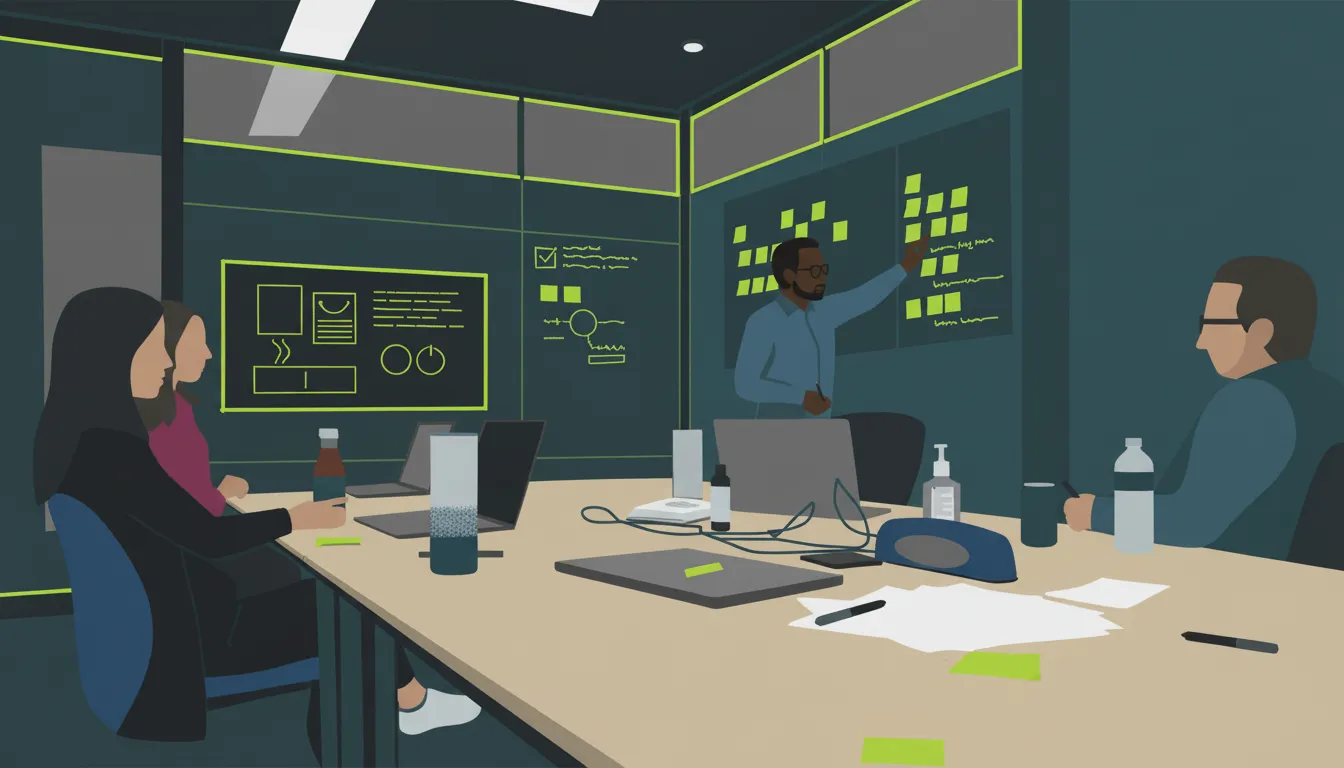
The starting point
UX was a reactive service. Teams brought it in late, at the screen-design stage, after the important product decisions were already made. Most of its value went unused, and there was no consistent way of doing the work from one project to the next. From the start, my goal was to grow what UX does here: make it a dependable, strategic part of how products get built, build a team that could deliver that on every engagement, and find chances to teach everyone something new along the way.
People: growing designers
The biggest part of this work was people. I’ve led designers at every level, from interns to mid-level and senior designers, giving each one direct input on their work and a clear path for career growth.
- I mentored interns through their first UX roles.
- I coached designers on research and design flow, and on the part that’s hardest to teach: communicating with stakeholders.
- I made growth practical. Beyond deliverables, I helped designers understand how UX fits into the larger product process, how to work across teams, and how to make decisions with clarity and ownership.
The goal was an environment where people could build both skill and confidence, so the team got stronger without everything running through me.
Process: consistent quality on every engagement
As the team grew, consistency mattered as much as creativity. Clients needed the same quality whichever designer they worked with.
- I standardized how we run discovery, workshops and design reviews.
- I own design reviews and UX research across the practice.
- I shaped workflows that strengthened alignment between design, development and stakeholders.
Strategy: from service to offering
I pushed UX beyond project support:
- I helped make UX its own service, so clients could engage it directly instead of only through other projects.
- I added workshops and accessibility audits, which let clients engage UX earlier and solve problems more clearly.
- I framed UX in business terms (less rework, more consistency, stronger stakeholder trust, better product adoption), so leaders could see it as an asset, not just a design function.
Decision: build an accessibility practice from the team we had
This is the part of the work I’m proudest of. The opportunity was already in the building: our designers had a strong eye, were already on the projects, and had billable hours available. So I gave them automated and manual testing tools and a process to follow. I built that process from the DHS Trusted Tester method, industry research and other sources, and shaped it so technical and non-technical people alike understand the impact of accessibility, not just the rules. Because the people and the hours were already in place, we stood the practice up quickly, and accessibility audits became a service we offer clients. It’s backed by my DHS Trusted Tester certification for Section 508 and my teaching at IU Indianapolis.
Building momentum
A practice only grows if people want to use it. Through mentoring, workshops, accessibility conversations and day-to-day collaboration, I made UX approachable and tied it to outcomes people already cared about. As a result, teams started involving UX earlier and asking better questions.
New products
Some of the most valuable UX work happens early, while a team is still defining the problem, the audience and the opportunity. I help clients bring structure to that stage, combining research, strategy and practical execution to move from ambiguity to clarity.
Results
- Grew the team from 1 to 5 designers
- 40+ client engagements delivered
- 90% on-time delivery and 25% less rework on the projects I led, measured from Jira ticket times and reported to management
- More clients now bring UX in at discovery instead of at the end
- Accessibility and research are part of product conversations from the start
How I lead
My leadership is rooted in trust, communication and helping people grow. I don’t think a leader’s job is to force direction. It’s to create clarity, support better decisions, and help teams build confidence in their work. The strongest teams I’ve led weren’t just talented; they were supported, aligned and trusted to contribute.
I’ve worked with clients ranging from gentle pushback to difficult reputations, and with research that goes sideways when clients want to be part of it. My approach is the same each time: learn what the decision-maker needs first, set regular checkpoints with them and with the lead developers, and bring hands-on clients into the work, designing with them live in meetings when that’s what keeps the project moving.